
Diet Has Massive Impacts on Your Gut Health, Studies Show
Most people hear that food affects gut health, but the new research takes this idea further. Scientists now show that every meal sends messages to the trillions of microbes living in your gut. These microbes chew through your food, release powerful compounds, and even influence how your body handles inflammation and mood. It is a tight two-way system. You feed them, they shape your health.
Three recent studies help explain how this works. They also reveal why small shifts in what you eat can change your gut in ways that matter for long-term health. The best part is that science is finally giving us clear links between certain foods and real biological effects.
Fiber Plays a Bigger Role Than You Might Expect
The first study looked at how bacteria break down dietary fiber. When this happens, your gut microbes release short-chain fatty acids, which are tiny compounds with a big job. Two of the strongest ones, propionate and butyrate, can change how colon cells behave. In lab tests, butyrate slowed the growth of cancer cells and pushed damaged cells to shut down.
This gives researchers a clearer idea of why people who eat more fiber tend to have lower rates of colorectal cancer.
While these results come from cell and animal models, the pattern lines up with years of nutrition research. A high-fiber diet gives your gut microbes the fuel they need to create these protective compounds. Your gut lining also becomes stronger and less inflamed. Even simple choices, like adding beans or whole grains to a meal, can give these bacteria more to work with. Over time, that steady supply of fiber shapes a gut environment that favors health, not disease.
Milk and Cheese Don’t Act the Same in Your Gut
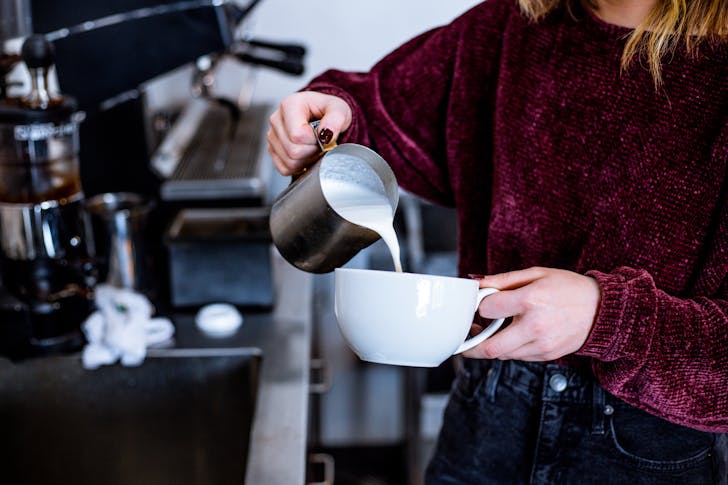
Hamza / Pexels / The second study compared how milk and cheese affect the gut. Even though both come from dairy, they interact with the microbiome very differently.
People who drank more milk showed higher levels of helpful bacteria like Faecalibacterium and Akkermansia. These microbes help keep the gut barrier strong and calm inflammation. They are often markers of a balanced, resilient gut environment.
Cheese told a different story. Higher cheese intake was linked with lower bacterial diversity and fewer Bacteroides, a group involved in breaking down complex carbohydrates. This does not make cheese “bad,” but it suggests it may shift the microbiome in a way that milk does not.
Food Quality Matters More Than the Label You Follow
The third study, which looked at over twenty-one thousand adults, found something important. The type of diet you follow, vegan or omnivore or anything in between, matters less than the quality and variety of the foods you eat. Omnivores had greater overall bacterial diversity, but this came with microbes that specialize in breaking down meat.
Vegans and vegetarians had more fiber-loving bacteria instead.
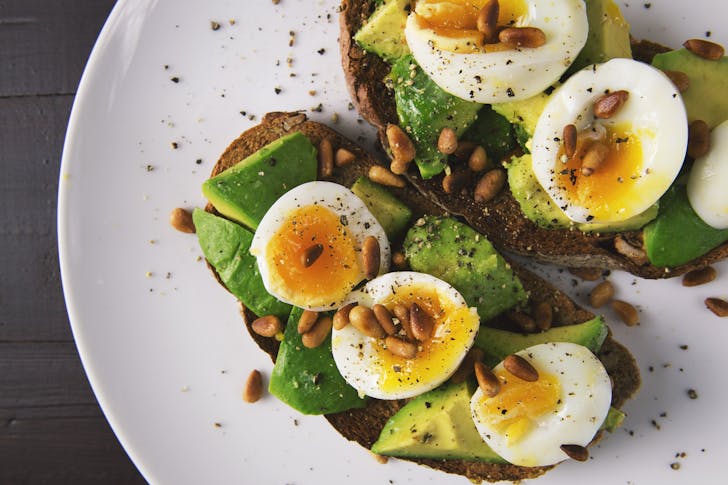
Foodie / Pexels / The interesting twist came from omnivores who consumed a variety of vegetables, fruits, and whole grains. Their guts looked similar to those of plant-based eaters.
In other words, you do not need to follow a strict eating pattern to support a strong microbiome. You need a wide range of plant foods, since each type of fiber feeds a different set of microbes.
Key Habits That Support a Healthier Gut
Across all the research, one message stands out. Plant diversity is one of the strongest drivers of a healthy microbiome. Different plants contain fibers and compounds that feed different bacteria.
A large study published in 2024 found that microbes can transform hundreds of these plant chemicals, and the mix of these transformed compounds is unique to each person. This helps explain why two people can eat the same food and feel different effects.
Ultra-processed foods add another layer. A recent review linked them to poorer health overall, although the exact effects on the microbiome are still a puzzle. These foods often lack fiber and contain additives that the gut does not always handle well.
More in Health
-
`
 David and Victoria Beckham Make Desperate Bid to Repair Rifts with Their Estranged Son, Brooklyn Beckham
David and Victoria Beckham are not giving up on their eldest son. New reports from early April 2026 say the couple...
April 23, 2026 -
`
 How a Dedicated Home Coffee Bar Can Make Your Kitchen Feel Like a Cozy French Café
The modern kitchen has taken on a new role. It is no longer just a place to cook meals and wash...
April 17, 2026 -
`
 How AI May Soon Prescribe Mental Health Medication in the U.S.
Artificial intelligence is steadily moving into areas once handled only by physicians. One of the latest developments involves mental health treatment,...
April 10, 2026 -
`
 Why “Grandma-Core” Dining Is Becoming the Hottest Restaurant Trend
Dining habits are shifting, and a comforting new trend is leading the way. Restaurants across the country are embracing what many...
April 4, 2026 -
`
 Why Gene Simmons Wants Celebrities to “Shut the f**k Up” About Politics
Gene Simmons has never been shy about speaking his mind. The bassist and co-founder of KISS built a career on loud...
March 23, 2026 -
`
 How Slight Green Makeover Can Make Your Dated Kitchen Look Dreamy
A dark kitchen can feel dull and closed off. The cabinets look heavy, the lighting feels flat, and the room often...
March 16, 2026 -
`
 These Are the Health Signs That Can Lead to Alzheimer’s Later
Alzheimer’s disease does not begin with forgotten keys or missed appointments. It often starts decades earlier, long before memory slips become...
March 9, 2026 -
`
 How Good Is “Danny Go!” As a Family YouTube Show?
“Danny Go!” did not creep onto the kids’ scene quietly. It burst in with loud music, bright colors, and a clear...
March 4, 2026 -
`
 Celebrities Donate Over $2.5 Million to James Van Der Beek’s Family Fundraiser
Hollywood showed up in a big way for James Van Der Beek’s family. After the actor’s death on February 11, 2026,...
February 25, 2026
More From Authorspick
-
 Sandra Bullock Opens Up About the Motherhood Fear She Feels “to the Core”
Sandra Bullock has spent years keeping her family life largely outside the Hollywood spotlight. Now, while promoting “Practical Magic 2,” the...
CelebritySeptember 11, 2026 -
 This $4.6 Million Woodland Home Makes the Outside World Feel Miles Away
Some luxury homes offer privacy with tall fences and heavy gates. Red Rock House takes the idea much further by placing...
LivingSeptember 3, 2026 -
 U.S. Measles Cases Hit 35 Year High as Elimination Status Hangs in the Balance
Measles is making a troubling comeback in the United States. By August 14, 2026, the Centers for Disease Control and Prevention...
HealthAugust 27, 2026 -
 Chicago Couple Gives Their Two Kids the Exact Same “Gift of Time” Birthday Present Every Year
Birthday gifts usually change as children grow. A toddler might want toys, while an older child could ask for games, gadgets,...
FamilyAugust 20, 2026 -
 Priscilla Presley, 81, Makes Public Appearance in All-Red at Remus Lifestyle Night in Spain
Priscilla Presley reminded everyone that timeless style never fades as she stepped onto the red carpet in Mallorca, Spain. The 81-year-old...
CelebrityAugust 14, 2026
You must be logged in to post a comment Login