
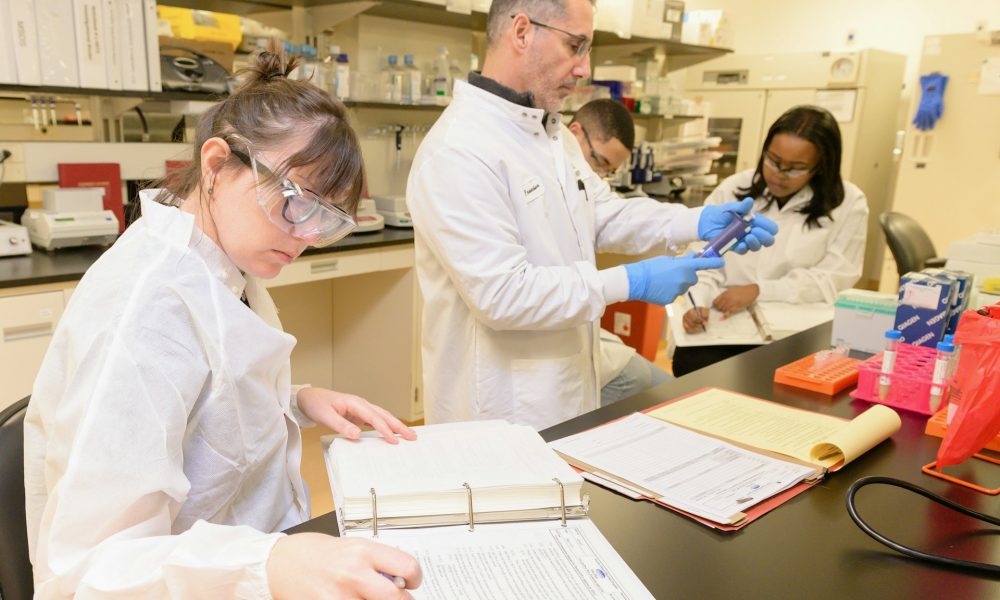
Burnout and ‘Moral Injury Crisis’ on the Rise Among Frontline Healthcare Workers, Study
Burnout has been a familiar term in healthcare for years, but it no longer tells the full story. Doctors and nurses are not just tired, they are hurting in ways that go deeper than exhaustion. Many feel trapped in systems that stop them from giving proper care, and that conflict cuts deep.
This is where ‘moral injury’ comes in, and it changes the conversation in a big way. Moral injury happens when healthcare workers cannot do what they know their patients need because of rules, limits, or pressure from the system. It creates guilt, frustration, and a sense of betrayal that no wellness app can fix.
A 2026 analysis found that 58% of healthcare workers say this moral strain hurts them more than simple burnout, and that shift matters.
The Crisis Keeps Growing
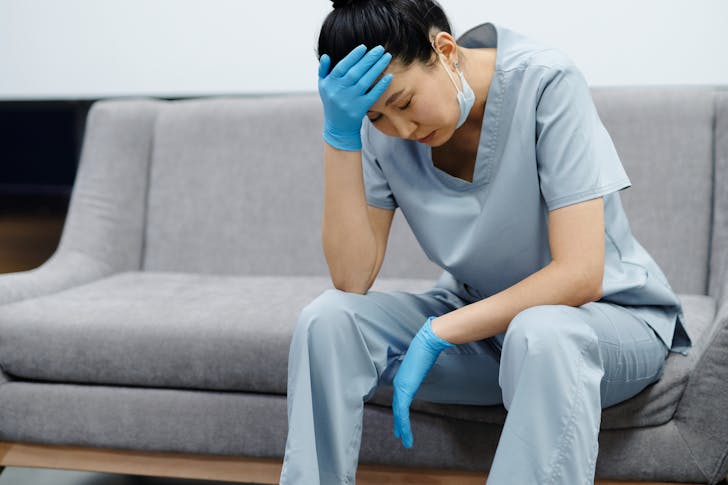
Cedric / Pexels / In the United States, nearly half of all physicians, about 49%, report symptoms of burnout as of 2026.
This number has barely moved despite years of investment in wellness programs, showing that surface fixes are not enough. At the same time, more than half of frontline healthcare workers say they plan to look for a new job, which signals a system losing its workforce.
The situation goes beyond frustration and enters dangerous territory for public health. By 2037, the U.S. could face a shortage of nearly 700,000 healthcare professionals, including doctors and nurses. This gap means longer wait times, reduced care quality, and more pressure on those who stay.
The NHS Feels the Pressure Too
This crisis is not limited to one country, and the United Kingdom offers a clear example. The 2025 NHS Staff Survey included over 760,000 employees and found that 31% felt burnt out due to work. That number has increased from the previous year, which shows the trend is moving in the wrong direction.
Staff shortages add another layer of stress, with only a third of workers saying there are enough employees to do the job properly.
Confidence in leadership is also slipping, which makes the problem worse. Only 55% of NHS staff feel their organization takes real action on health and wellbeing, and that figure has dropped to a five-year low. When workers do not feel supported, stress builds faster, and recovery becomes harder. The system starts to feel like a pressure cooker with no release valve.
The Paradox Has Disastrous Consequences

RDNE / Pexels / Many providers are becoming patients themselves, both physically and mentally. This reflects a deeper failure within the system that is supposed to support them.
When the people who deliver care start to break down, it signals a serious problem at the core.
This situation creates a painful paradox. Healthcare workers enter the field to help others, yet they find themselves harmed by the very structure they work within. They face high risks on the job, including injuries and exposure to harmful substances, while also dealing with emotional strain.
Studies from Türkiye and Egypt highlight these risks, with high rates of workplace injuries and more than half of workers reporting stress and anxiety.
For years, healthcare organizations have tried to fix burnout with wellness programs. These include things like mindfulness sessions, resilience training, and short breaks designed to reduce stress. While these efforts sound helpful, they often miss the real issue. They focus on helping individuals cope instead of fixing the conditions causing the stress.
However, there is some progress, and it focuses on fixing the root causes rather than the symptoms. In April 2026, researchers from the University of Leicester introduced new guidelines aimed at improving staff wellbeing in a lasting way.
More in Health
-
`
 David and Victoria Beckham Make Desperate Bid to Repair Rifts with Their Estranged Son, Brooklyn Beckham
David and Victoria Beckham are not giving up on their eldest son. New reports from early April 2026 say the couple...
April 23, 2026 -
`
 How a Dedicated Home Coffee Bar Can Make Your Kitchen Feel Like a Cozy French Café
The modern kitchen has taken on a new role. It is no longer just a place to cook meals and wash...
April 17, 2026 -
`
 How AI May Soon Prescribe Mental Health Medication in the U.S.
Artificial intelligence is steadily moving into areas once handled only by physicians. One of the latest developments involves mental health treatment,...
April 10, 2026 -
`
 Why “Grandma-Core” Dining Is Becoming the Hottest Restaurant Trend
Dining habits are shifting, and a comforting new trend is leading the way. Restaurants across the country are embracing what many...
April 4, 2026 -
`
 Why Gene Simmons Wants Celebrities to “Shut the f**k Up” About Politics
Gene Simmons has never been shy about speaking his mind. The bassist and co-founder of KISS built a career on loud...
March 23, 2026 -
`
 How Slight Green Makeover Can Make Your Dated Kitchen Look Dreamy
A dark kitchen can feel dull and closed off. The cabinets look heavy, the lighting feels flat, and the room often...
March 16, 2026 -
`
 These Are the Health Signs That Can Lead to Alzheimer’s Later
Alzheimer’s disease does not begin with forgotten keys or missed appointments. It often starts decades earlier, long before memory slips become...
March 9, 2026 -
`
 How Good Is “Danny Go!” As a Family YouTube Show?
“Danny Go!” did not creep onto the kids’ scene quietly. It burst in with loud music, bright colors, and a clear...
March 4, 2026 -
`
 Celebrities Donate Over $2.5 Million to James Van Der Beek’s Family Fundraiser
Hollywood showed up in a big way for James Van Der Beek’s family. After the actor’s death on February 11, 2026,...
February 25, 2026
More From Authorspick
-
 Why George Lucas’s New LA Museum Will Be Greater Than “Star Wars”
George Lucas spent decades creating one of Hollywood’s most famous galaxies. Now, the 82-year-old filmmaker is opening a museum that reaches...
FamilySeptember 18, 2026 -
 Sandra Bullock Opens Up About the Motherhood Fear She Feels “to the Core”
Sandra Bullock has spent years keeping her family life largely outside the Hollywood spotlight. Now, while promoting “Practical Magic 2,” the...
CelebritySeptember 11, 2026 -
 This $4.6 Million Woodland Home Makes the Outside World Feel Miles Away
Some luxury homes offer privacy with tall fences and heavy gates. Red Rock House takes the idea much further by placing...
LivingSeptember 3, 2026 -
 U.S. Measles Cases Hit 35 Year High as Elimination Status Hangs in the Balance
Measles is making a troubling comeback in the United States. By August 14, 2026, the Centers for Disease Control and Prevention...
HealthAugust 27, 2026 -
 Chicago Couple Gives Their Two Kids the Exact Same “Gift of Time” Birthday Present Every Year
Birthday gifts usually change as children grow. A toddler might want toys, while an older child could ask for games, gadgets,...
FamilyAugust 20, 2026
You must be logged in to post a comment Login