
Will Ending Animal Research Make America Healthy?
Ending animal research sounds simple on paper. Stop testing on animals, switch to modern tools, and watch public health improve. That idea now sits at the center of a national debate with real consequences for medicine, safety, and science.
Health and Human Services Secretary Robert F. Kennedy Jr. says he wants to end all federally funded animal testing. His focus includes non-human primate research and the import of monkeys for labs. He ties the goal to the Make America Healthy Again agenda and has questioned whether federal primate centers are driven by profit.
However, the push does not stop at HHS. The Environmental Protection Agency plans to phase out mammal testing for chemical safety by 2035. The Food and Drug Administration wants animal studies to become the exception in drug development within five years. Laws like the FDA Modernization Act 2.0 opened the door by removing animal testing as a legal requirement for new drugs.
Why Scientists Are Pushing Back

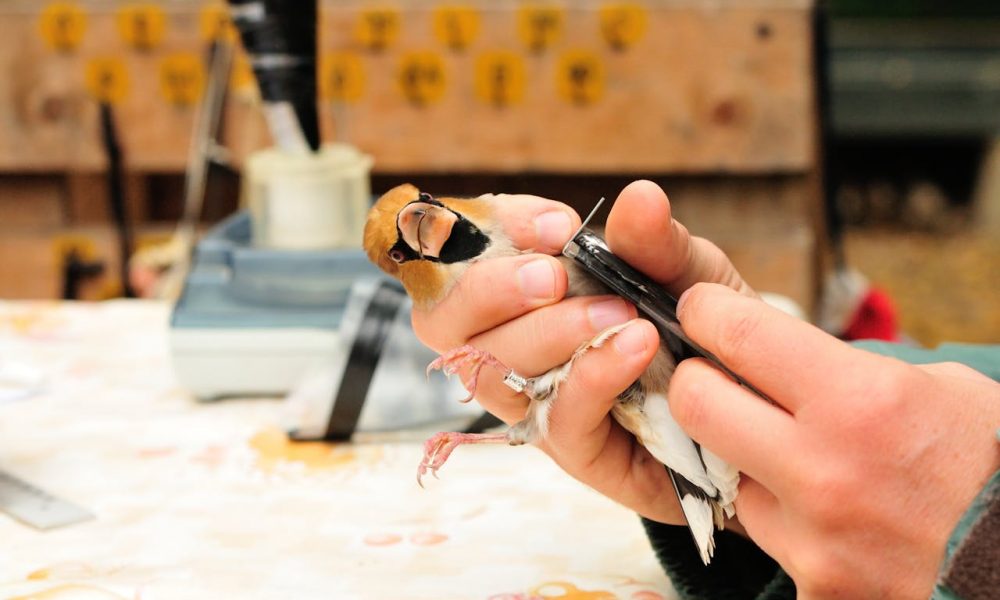
Pavel / Pexels / Many researchers say the timeline feels reckless. Animal studies still carry weight in areas where complexity matters most.
Infectious diseases, neurological disorders, and immune responses can behave very differently in isolated systems than in whole organisms. Non-human primates continue to play a vital role in HIV research and vaccine development, as their immune systems closely resemble ours, allowing scientists to identify potential risks before human trials begin. Skipping this step, they warn, could expose people to unsafe drugs too quickly.
Alternative methods are still limited. Computer models and organ-on-chip systems cannot yet show long-term toxicity or whole-body reactions. Experts stress that proper validation takes years, and rushing could undermine confidence in research.
The Case for Moving On From Animals
Supporters of ending animal testing argue that human-based approaches are now often more predictive than animal studies. Animal research frequently fails to translate, wasting time and resources.
Ethics are also critical. Groups like PETA and the White Coat Waste Project highlight repeated violations in labs, suggesting the system prioritizes volume over humane care. Ending animal testing addresses structural flaws rather than weakening science.
Advances in technology also inspire confidence. AI, organoids, and lab-grown tissues can deliver quicker results without suffering. Advocates argue that these tools should drive research rather than play a supporting role.
Policy Whiplash and Real World Risks
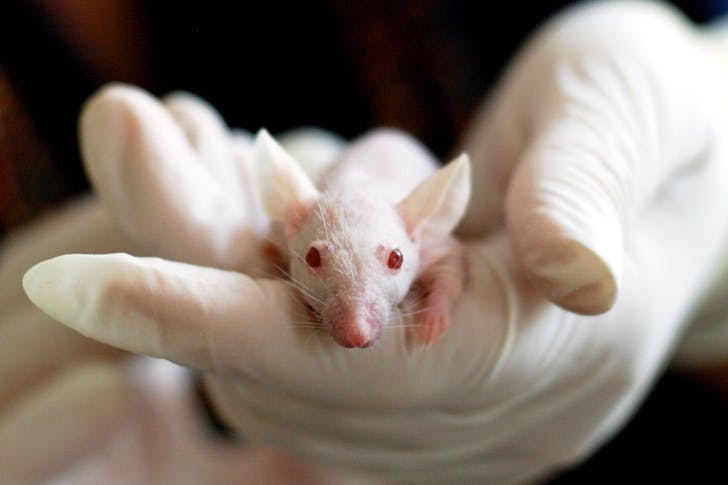
Pixabay / Pexels / Federal agencies tasked with guiding this transition are facing staff cuts and reduced funding.
Critics warn this could cause disruption. Research centers might close before alternatives are ready, and thousands of animals could face euthanasia due to limited sanctuary space. Oversight could suffer.
Supporters counter that short-term delays maintain safety while promoting innovation. They argue that pressure drives accountability. The balance between speed and caution is crucial.
Internationally, the U.S. is not alone. The European Commission is pursuing an animal-free regulatory system, initially focused on chemical and consumer safety rather than complex disease research.
Other nations are taking different approaches. France is expanding primate breeding to ensure scientific independence, while South Korea has strengthened ethical oversight without banning animal studies. In the U.S., Congress recently banned painful experiments on dogs and cats by the Defense Department, reflecting growing concern for animal welfare while allowing research to continue.
More in Health
-
`
 Why Gene Simmons Wants Celebrities to “Shut the f**k Up” About Politics
Gene Simmons has never been shy about speaking his mind. The bassist and co-founder of KISS built a career on loud...
March 23, 2026 -
`
 How Slight Green Makeover Can Make Your Dated Kitchen Look Dreamy
A dark kitchen can feel dull and closed off. The cabinets look heavy, the lighting feels flat, and the room often...
March 16, 2026 -
`
 These Are the Health Signs That Can Lead to Alzheimer’s Later
Alzheimer’s disease does not begin with forgotten keys or missed appointments. It often starts decades earlier, long before memory slips become...
March 9, 2026 -
`
 How Good Is “Danny Go!” As a Family YouTube Show?
“Danny Go!” did not creep onto the kids’ scene quietly. It burst in with loud music, bright colors, and a clear...
March 4, 2026 -
`
 Celebrities Donate Over $2.5 Million to James Van Der Beek’s Family Fundraiser
Hollywood showed up in a big way for James Van Der Beek’s family. After the actor’s death on February 11, 2026,...
February 25, 2026 -
`
 Late Dr. Seuss’ California La Jolla Estate Hits the Market Again for $10M
The late Dr. Seuss left behind more than catchy rhymes and unforgettable characters. He also left behind a cliffside California home...
February 19, 2026 -
`
 Winter Power Outage: 5 Essential Things You Should Do to Survive
Snow is piling up across the U.S., and for many homes, that sound outside is not peaceful. It is a warning....
February 4, 2026 -
`
 Actor Matthew McConaughey Trademarks His Catchphrase
Matthew McConaughey has never followed the usual script. The “Interstellar” star, 52, didn’t when he leaned into rom-com fame, and he...
January 28, 2026 -
`
 How Will ‘Japandi’ Minimalist Home Decor Evolve in 2026? A Deeper Look
Since its rise in the mid 2010s, ‘Japandi’ has become the go-to style for people who want calm, order, and beauty...
January 21, 2026
More From Authorspick
-
 Priscilla Presley, 81, Makes Public Appearance in All-Red at Remus Lifestyle Night in Spain
Priscilla Presley reminded everyone that timeless style never fades as she stepped onto the red carpet in Mallorca, Spain. The 81-year-old...
CelebrityAugust 14, 2026 -
 Steamboat Springs Transforms From Ski Town Into a Billion-Dollar Attraction for the Rich
For decades, Steamboat Springs built its reputation as Colorado’s easygoing ski town. Families came for legendary powder, friendly locals, and a...
LivingAugust 6, 2026 -
 Why Lettuce Is Being Linked to Explosive Diarrhea Parasite in the United States
A fast-growing cyclosporiasis outbreak has put fresh lettuce under the spotlight after health officials connected leafy greens to thousands of illnesses...
HealthJuly 30, 2026 -
 King Charles Hosts Private Royal Family Gathering During Prince Harry’s UK Visit
King Charles III recently hosted Prince Harry, Meghan, the Duke and Duchess of Sussex, and their children, Prince Archie and Princess...
FamilyJuly 24, 2026 -
 Georgina Rodriguez Sizzles in Bikini on a Miami Beach As Fiancé Cristiano Ronaldo Fights for World Cup Glory
Cristiano Ronaldo has spent his career handling football’s biggest moments. During the 2026 FIFA World Cup, the Portugal captain once again...
CelebrityJuly 17, 2026
You must be logged in to post a comment Login